
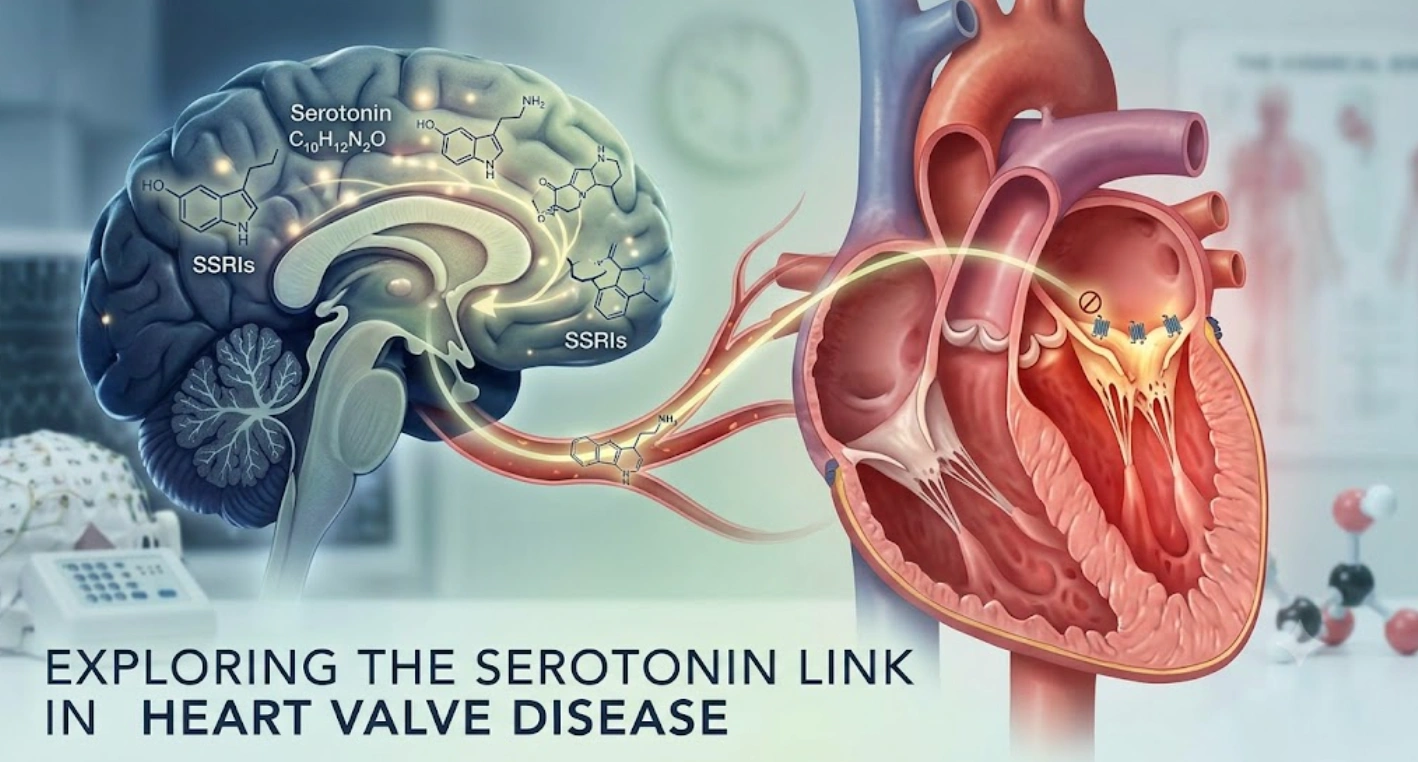
For thirty years, serotonin has lived almost entirely in the territory of the mind. It is the chemical behind Prozac, behind mood, behind the whole modern vocabulary of chemical imbalance and pharmacological repair. Psychiatrists like myself have spent careers thinking of it as a brain molecule, full stop. A new body of research out of Columbia University and the Children’s Hospital of Philadelphia is a useful corrective to that habit of mind. Serotonin, it turns out, has never confined itself to the skull. It circulates through the whole body, and in a small but meaningful group of patients, it may be quietly shaping the fate of a heart valve.
A Disease Already Known to Serotonin
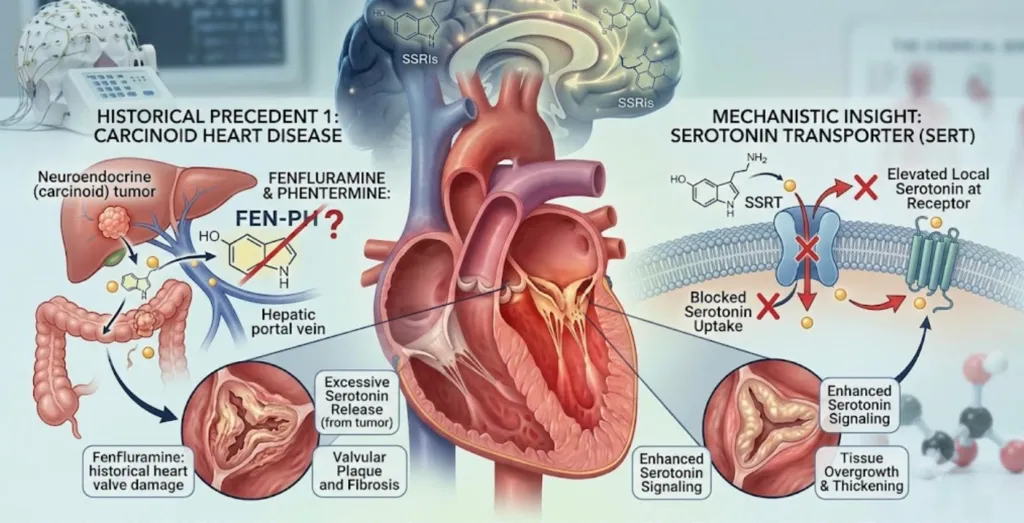
This isn’t entirely new territory, even if it feels that way. Medicine has two well-documented precedents for serotonin damaging heart valves, both instructive in their own way. Carcinoid tumors, a rare type of neuroendocrine tumor, secrete large amounts of serotonin directly into the bloodstream, and patients with these tumors frequently develop thickened, dysfunctional heart valves as a direct consequence. And there was fen-phen, the weight-loss drug combination pulled from the market decades ago after it became clear that boosting brain serotonin levels was also thickening and damaging the valves of the people taking it. Serotonin harming a heart valve, in other words, is a known phenomenon. What’s new is finding it happening quietly, at ordinary levels, in a disease that affects a much larger population than tumor patients or fen-phen users ever did.
What the Columbia and CHOP Team Actually Found
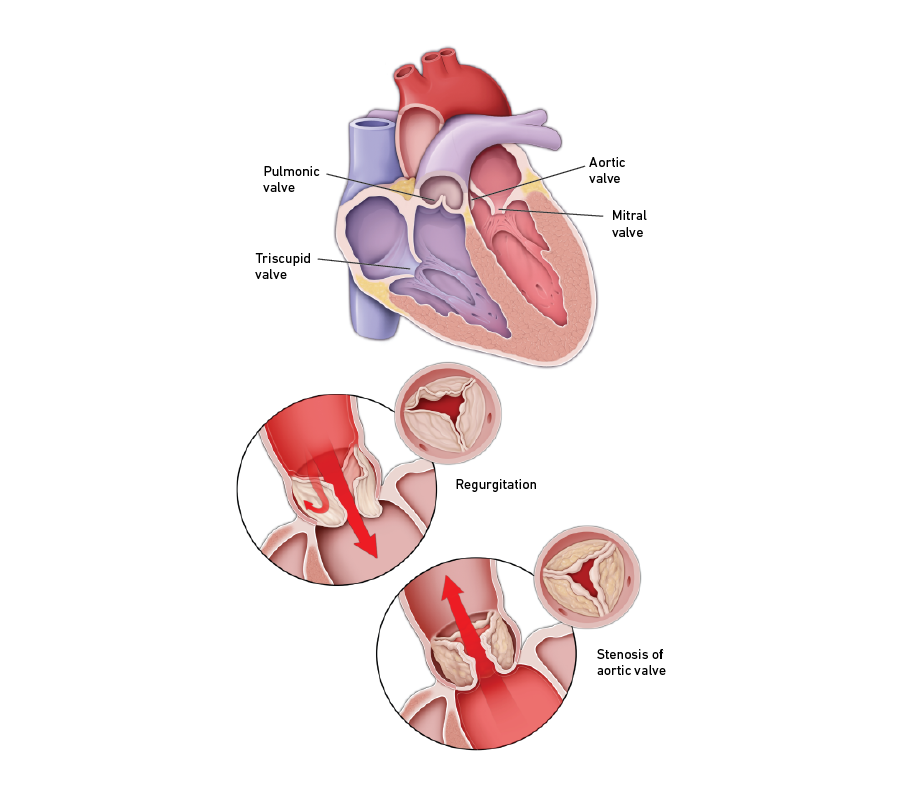
The disease in question is degenerative mitral regurgitation, one of the most common forms of heart valve disease, in which the mitral valve, the gate between the heart’s left atrium and left ventricle, gradually loses its ability to close properly and starts leaking blood backward with every heartbeat. Researchers co-led by Giovanni Ferrari at Columbia and Robert Levy at CHOP analyzed records from more than 9,000 patients who had undergone valve surgery for this condition, along with detailed tissue analysis from 122 valve biopsies.
What they found was a specific and fairly precise pattern. Patients taking SSRIs, the most widely prescribed class of antidepressants, needed valve surgery at a younger age than patients with the same underlying disease who weren’t on SSRIs. The likely mechanism runs through a protein called the serotonin transporter, or SERT, whose normal job is clearing serotonin away once it’s delivered its signal. SSRIs work by blocking that exact transporter, which is precisely how they raise serotonin levels in the brain to treat depression. The same blocking effect, it appears, can happen locally in valve tissue, and some people carry a genetic variant in the SERT gene that produces a similar effect on its own, independent of any medication at all.
Why the Valve Has to Already Be Failing First
This is the detail I’d want any patient or family member to hold onto carefully, because it changes the shape of the concern considerably. The vulnerability described here doesn’t appear to touch a healthy valve. It shows up specifically once degeneration has already begun. As one of the researchers involved put it, once the valve has started to degenerate, it may become more susceptible to serotonin and to low SERT activity. A valve with no existing disease process doesn’t seem to be at meaningfully higher risk simply because someone takes an SSRI. This is a story about acceleration in an already sick valve, not a story about SSRIs quietly damaging healthy hearts.
A Second Valve, the Same Signal
A follow-up study, published this year in Frontiers in Cardiovascular Medicine, extended this line of research to an entirely different valve and a different disease. Researchers examined tissue from 66 patients who had undergone valve replacement for severe aortic stenosis, a condition in which the aortic valve stiffens and narrows, making it harder for the heart to push blood out to the rest of the body. Diseased aortic valves showed the same basic pattern seen in the mitral valve work: reduced SERT activity paired with stronger signaling through a specific serotonin receptor called HTR2B. When researchers blocked that receptor in mice, many of the harmful changes, early scarring and calcium buildup among them, were meaningfully reduced. That’s an early but genuine hint of a possible future drug target, and it suggests this serotonin pathway may turn out to be a general feature of degenerative valve disease rather than something unique to the mitral valve alone.
What This Actually Means for Someone Taking an SSRI
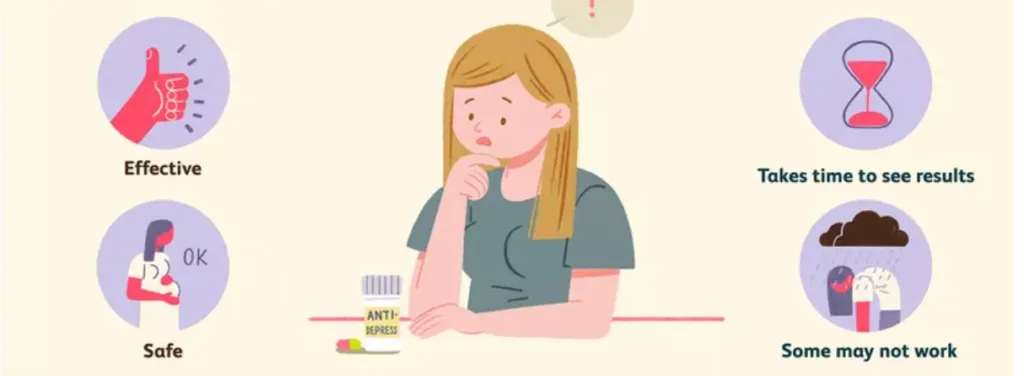
I want to be direct here, in the way I’d want to be direct with a patient. This research is not a reason for someone to stop taking an antidepressant that’s working for them, and the researchers themselves have said as much plainly.
- SSRIs remain safe and genuinely helpful for the overwhelming majority of people who take them. What this points toward instead is a more precise kind of medical attention for a specific, identifiable subgroup: people who already have degenerative mitral valve disease, particularly those who might also carry the specific SERT genetic variant researchers identified.
- For that narrower group, the research suggests real value in genetic testing, closer monitoring of valve function over time, and an honest conversation about whether a non-SSRI antidepressant might be worth considering if a patient isn’t responding especially well to their current medication anyway.
Serotonin was never only a brain chemical. It never really was, even when psychiatry, myself very much included, found it convenient to treat it that way. What this research asks of us now is a small but genuine widening of attention, from the mind alone to the whole circulatory system a single molecule quietly travels through, and a willingness to keep watching the valve as carefully as we’ve long watched the mood.