
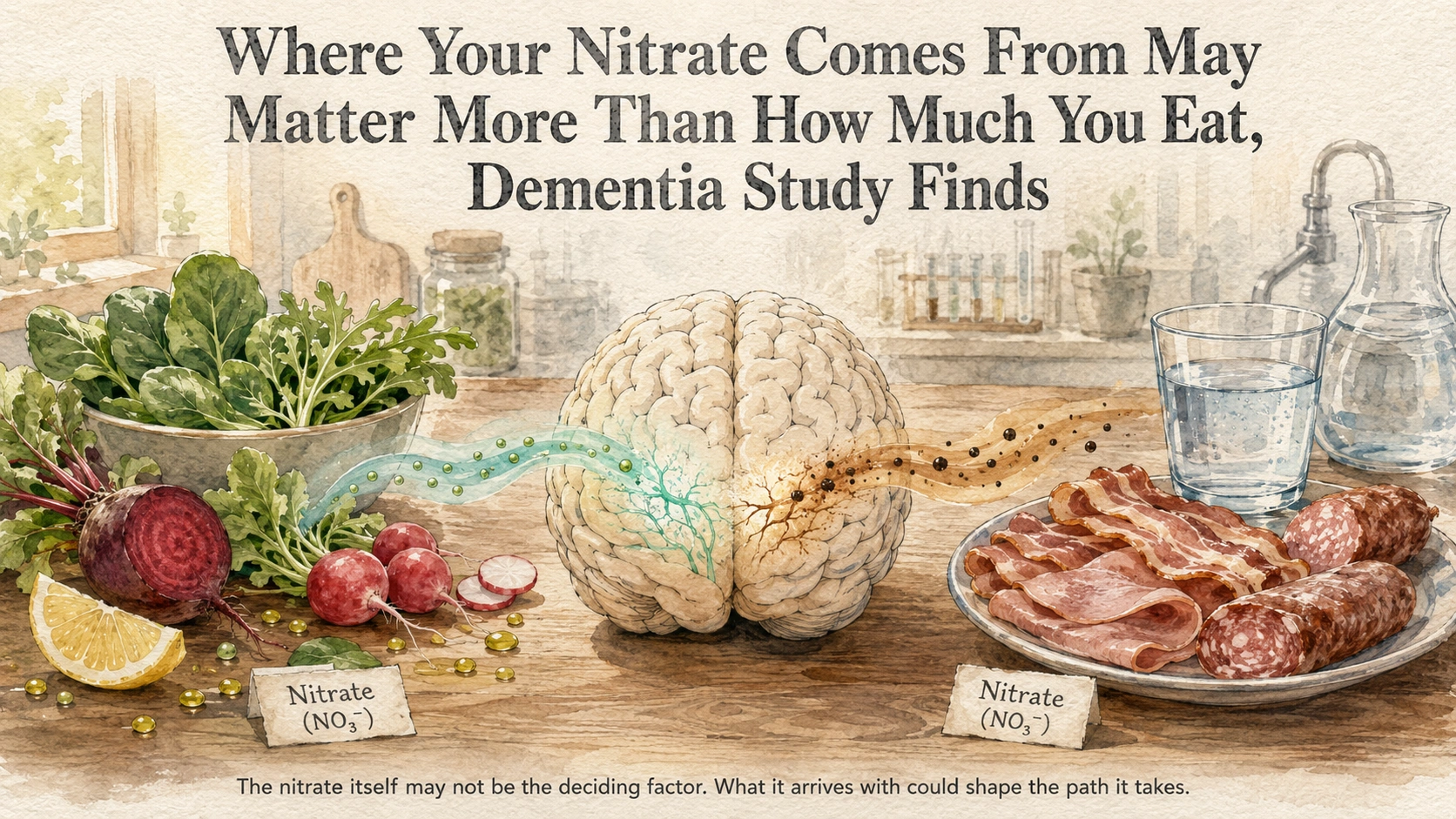
A large new study is changing how researchers think about nitrate, a compound found in everything from spinach to bacon to tap water. The takeaway isn’t how much of it people eat. It’s where it comes from.
Researchers from Edith Cowan University and the Danish Cancer Research Institute followed more than 54,000 adults in Denmark for up to 27 years, tracking their nitrate and nitrite intake and separating it by source: vegetables, red and processed meat, other animal foods, and drinking water. The results, published in the journal Alzheimer’s & Dementia, showed a clear split. People who ate more nitrate from vegetables had a lower risk of developing dementia, including early-onset cases that show up before old age. People who got more of their nitrate and nitrite from red meat, processed meat, or drinking water had a higher risk, and that higher risk showed up even at levels below current safety limits for water.
The protective effect from vegetables kicked in at a fairly small amount, roughly what’s in one cup of baby spinach a day.
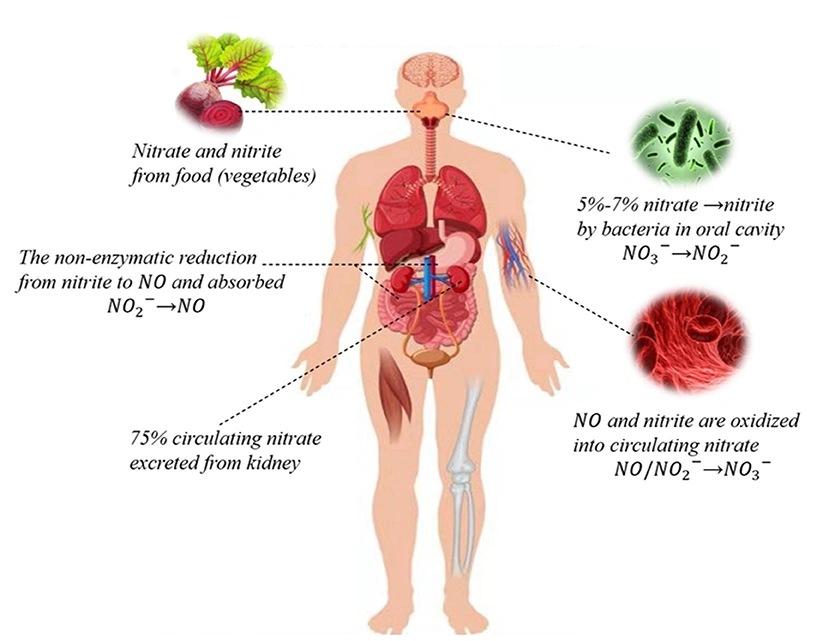
So why would the same compound act so differently depending on where it comes from? Once nitrate is in the body, it can follow one of two paths. In one, it converts into nitric oxide, a molecule that helps regulate blood pressure and blood flow to the brain. In the other, it can form a group of compounds called N-nitrosamines, some of which have been linked to cancer and, according to this study, to neurodegeneration as well.
Researchers believe vegetables push the chemistry toward the safer path. Leafy greens and root vegetables come packaged with vitamin C and other antioxidants that help the body convert nitrate into nitric oxide instead of the more harmful nitrosamines. Meat and water don’t carry those same protective compounds, so the same starting molecule is more likely to take the riskier route.
This isn’t the only study to find this pattern. A separate long-term study out of Australia, the Diabetes, Obesity and Lifestyle cohort, tracked nitrate sources over 17 years and found something similar. People with the highest vegetable-sourced nitrate intake had a 66% lower risk of dying from dementia-related causes compared to those with the lowest intake. Nitrate from animal sources showed no benefit either way. Nitrate from processed meat was linked to more than double the risk.
Two research teams, two countries, and the same basic finding: nitrate from vegetables looks protective, nitrate from processed meat and drinking water looks risky, and nitrate from other animal foods doesn’t seem to move the needle much at all.
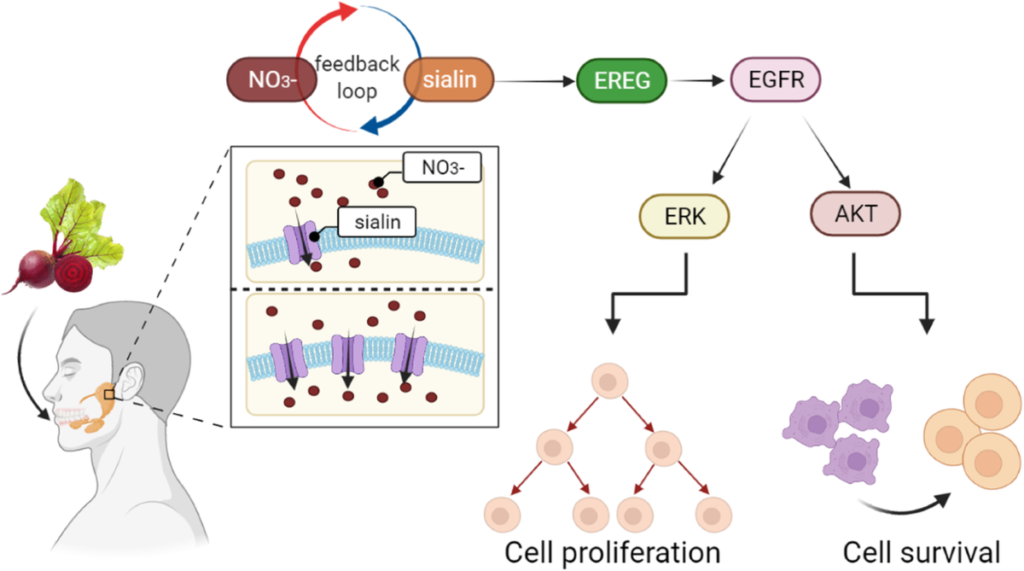
None of this requires tracking milligrams or reading nitrate content off a label. The practical version is simple. Eating more leafy greens and root vegetables, like spinach, arugula, beets, and radishes, appears to be genuinely protective. Cutting back on processed meat, the bacon, deli meat, and cured sausages where nitrate and nitrite are added as preservatives, appears to lower risk. And in areas where drinking water quality is already a known concern, it may be worth checking nitrate levels directly, since this study found risk at levels regulators currently consider acceptable.
For families thinking about a parent’s long-term brain health, or anyone trying to lower their own risk years before symptoms would ever appear, this research points toward something simple and already familiar: more vegetables, less processed meat. The nitrate itself was never really the deciding factor. What it arrived with was.