

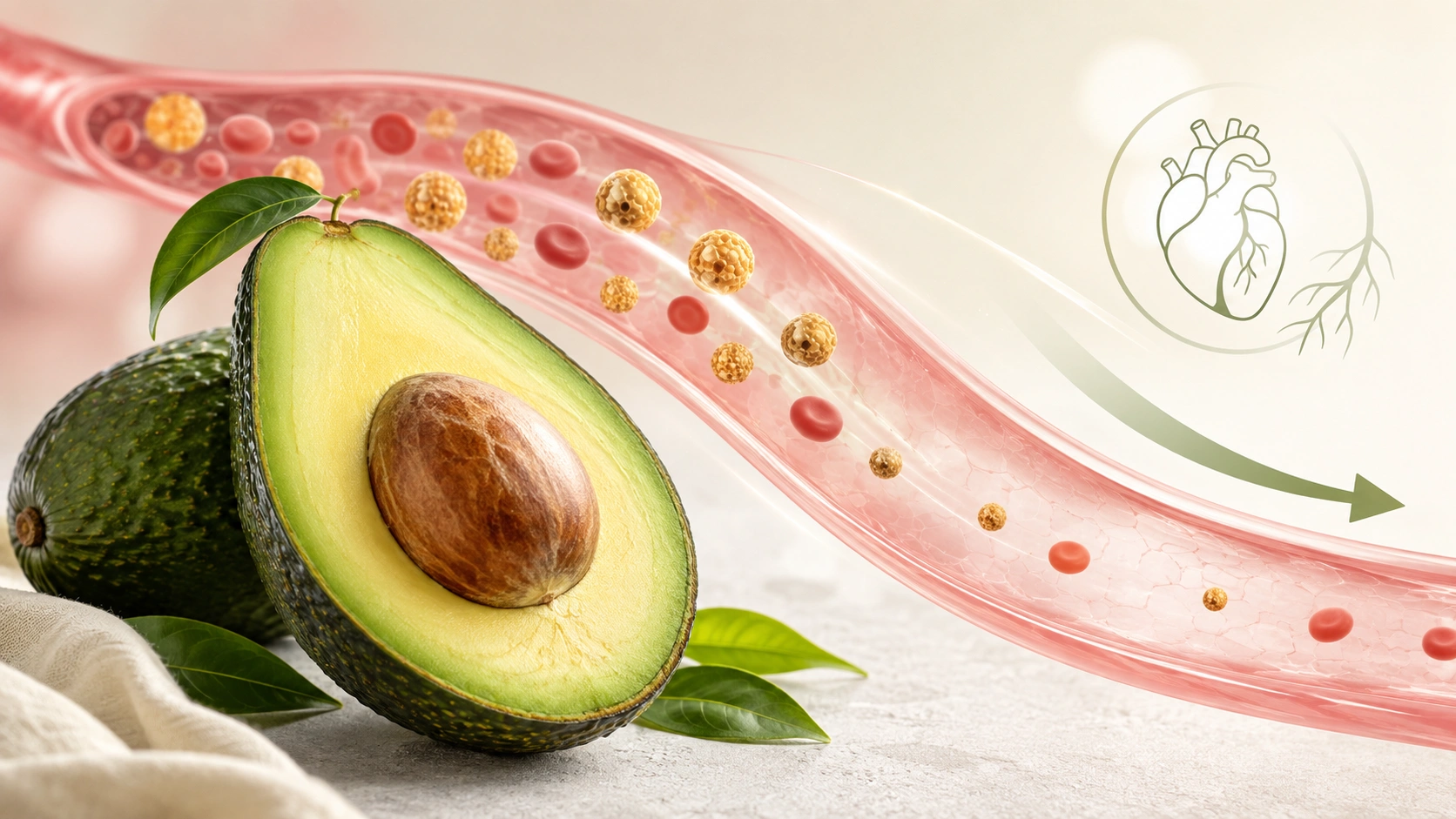
Every few months, some food gets crowned a superfood, and every few months, a more careful look at the actual study behind the headline reveals something narrower and more useful than the headline suggested. This time it’s avocado, and the real story, Penn State researchers report, is worth understanding precisely rather than filing away as “avocados are good for you now.”
Researchers ran a six-month randomized trial in adults with abdominal obesity, waist circumference over 40 inches for men, over 35 for women, comparing people who added one avocado a day to their normal diet against people who changed nothing. This wasn’t a controlled-feeding study where researchers dictated every meal. Participants kept eating however they normally ate, avocado or not, which matters because it’s a much better test of what actually happens in a real kitchen than a lab-controlled diet ever could be.
Here’s the specific finding, and the specificity matters. Daily avocado eaters saw their LDL particle concentration drop by 49 nanomoles per liter, a reduction ScienceDaily reported as corresponding to roughly a 4% decrease in heart disease risk. LDL particles aren’t quite the same thing as the LDL cholesterol number on a standard blood test. They’re the actual protein packages that ferry cholesterol through the bloodstream, and two people can have identical cholesterol readings while carrying very different numbers of these particles, with the particle count often telling a more accurate risk story, especially for people carrying weight around the abdomen. The mechanism behind the drop makes sense on its own terms: a single avocado delivers about 9 grams of fiber, close to a third of a typical daily target, along with plant compounds called phytosterols, Healthline explained, both of which slow cholesterol absorption in the gut and prompt the liver to clear more LDL particles from circulation.
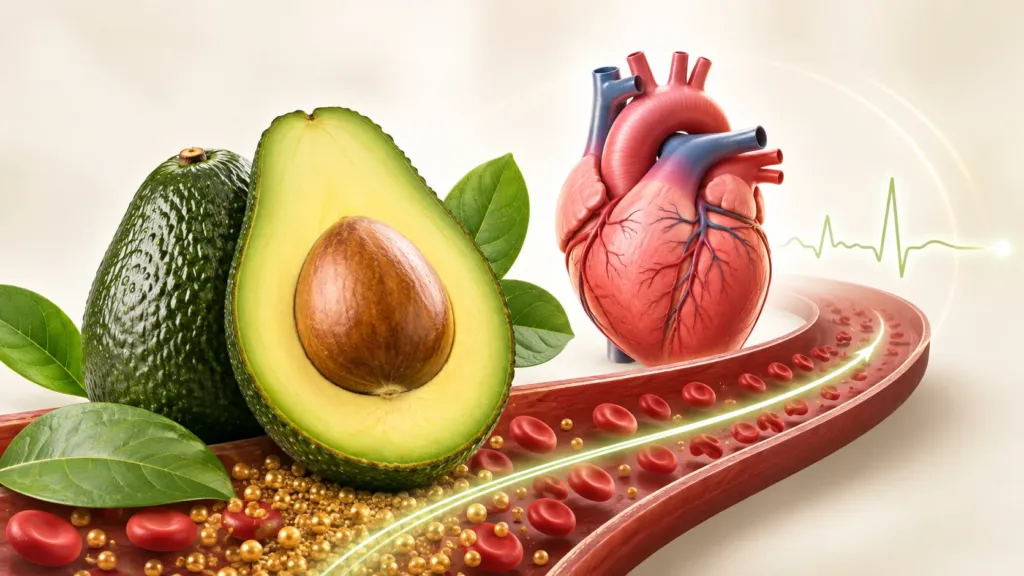
What didn’t happen is just as informative as what did. Body weight and waist circumference stayed essentially unchanged in the avocado group, which isn’t surprising given that a single avocado runs 200 to 300 calories and nobody was told to cut anything else out to make room for it. Senior author Kristina Petersen made a point of noting that this study, unlike an earlier controlled-diet trial from the same research group, demonstrated benefits in the real world, where people’s diets are much less predictable, a distinction that matters more than it might seem, since plenty of nutrition findings that hold up under total dietary control quietly disappear once real life gets involved.
There’s a broader companion analysis of this same trial worth mentioning too, detailed in a separate JAHA paper, and it’s the part of this story that keeps it honest. When researchers scored overall cardiovascular health using the American Heart Association’s full Life’s Essential 8 framework, daily avocado intake did not improve the composite score. Individual pieces of it, diet quality, blood lipids, and sleep health specifically, did improve. The whole picture didn’t. That’s not a contradiction. It’s exactly what a real, narrow, specific benefit looks like when it gets tested against a much broader yardstick, something researchers found worth stating plainly rather than smoothing over.
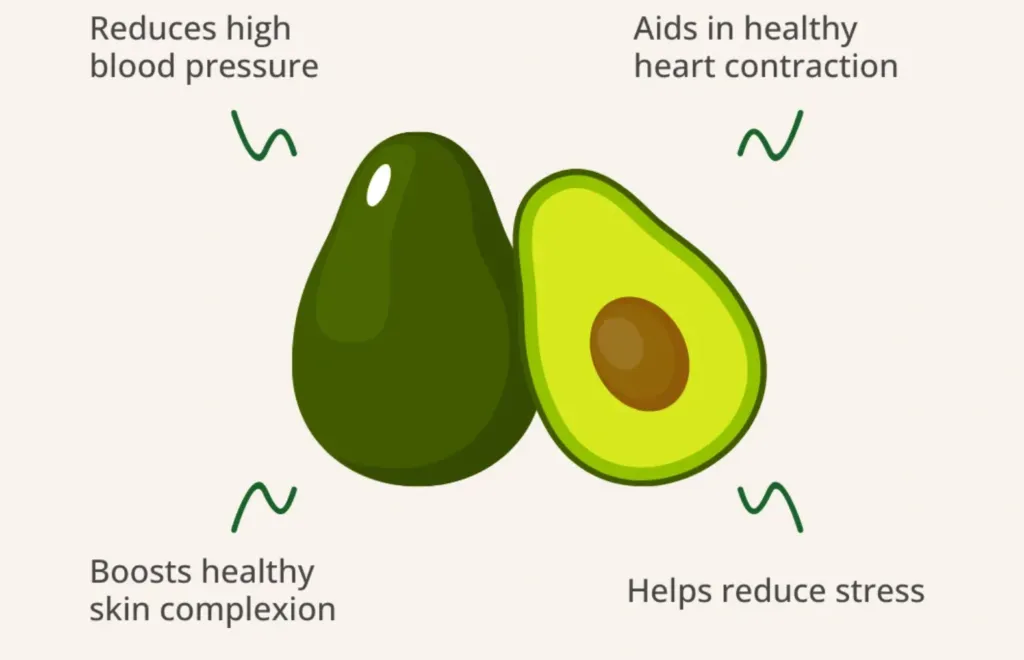
None of this makes avocado a cure for anything, and nobody involved in the research has claimed otherwise. What it offers is something genuinely more useful than a superfood headline: a specific, modest, real-world benefit to one meaningful cardiovascular marker, achieved by adding one food rather than overhauling an entire diet. For a family looking for one manageable change to suggest to an older relative managing cholesterol, that’s a reasonable, low-effort place to start, in the same spirit as research on nutrient sourcing, where what a nutrient comes from often matters as much as how much of it gets eaten, and consistent with the broader pattern that small, sustainable changes tend to hold up better than dramatic ones. Just don’t expect one fruit, however good for you, to rewrite an entire cardiovascular risk profile on its own.