

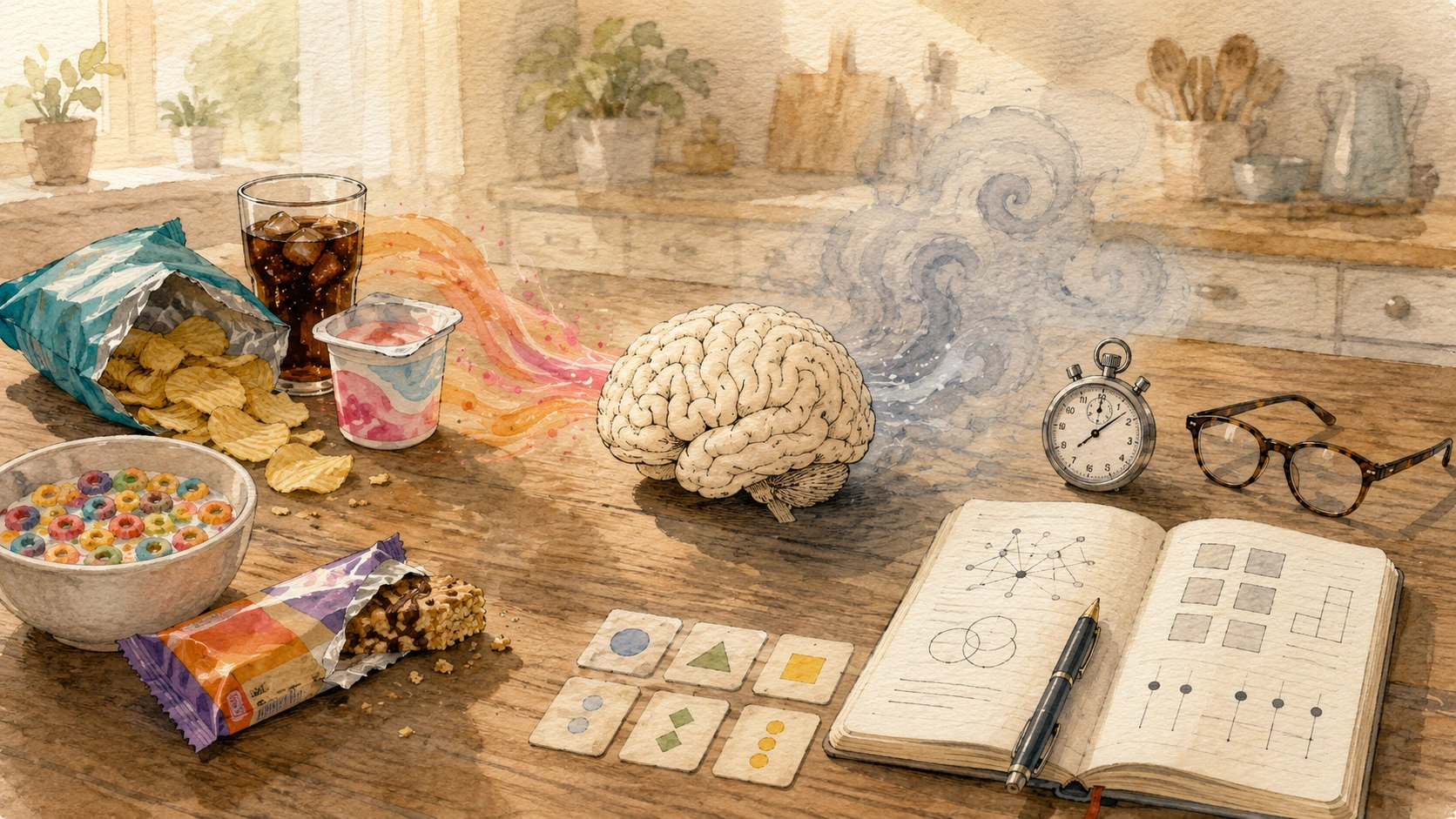
Most conversations about ultra-processed food end up being about weight, or diabetes, or heart disease. A new study out of Monash University, Deakin University, and the University of São Paulo asks a different, more immediate question: what is this food doing to a person’s ability to pay attention, right now, today, decades before any of those other conditions might show up.
A Measurable Drop for Every 10% Increase
Researchers followed more than 2,100 middle-aged and older Australian adults, none of whom had dementia, and ran them through standardized tests of visual attention and processing speed, the kind of quick mental tasks that reflect how sharply someone can actually think in the moment. Then they looked at how much of each person’s daily energy came from ultra-processed food.
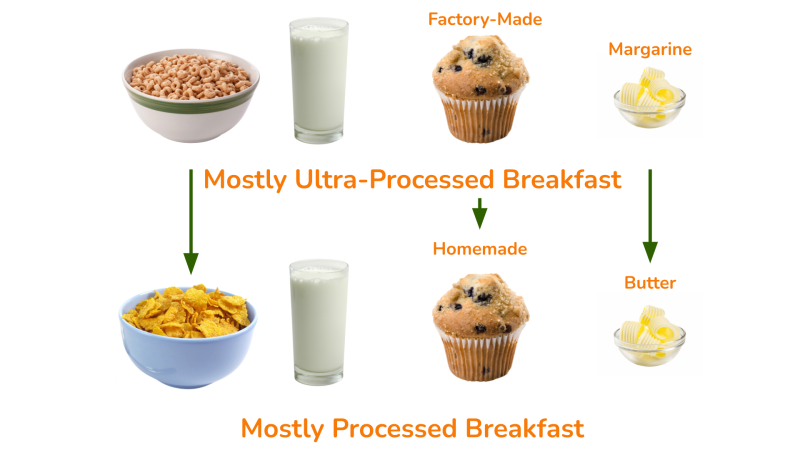
The pattern held with unusual consistency. For every 10% increase in daily calories from ultra-processed sources, test scores measuring attention and processing speed dropped in a corresponding, predictable way. This wasn’t a threshold effect that only kicked in once someone crossed some dramatic line into a diet built entirely from packaged food. It moved in small steps. Researchers noted that even a fairly minor daily addition, something as ordinary as a single packet of chips, was enough to nudge scores measurably lower.
Why Eating Healthy Otherwise Doesn’t Cancel This Out
Here’s the finding that should actually change how people think about their own diets, because it removes a common escape hatch. The researchers measured overall diet quality separately from ultra-processed food intake specifically, and the attention decline showed up even among people whose overall eating patterns looked healthy by conventional standards, plenty of vegetables, reasonable protein, not obviously junk-food-heavy on balance.
In other words, this isn’t simply a story about ultra-processed food crowding out something better. A person can be eating vegetables at dinner and still be taking in enough packaged, reformulated food elsewhere in the day, the granola bar, the flavored yogurt, the bread, the sauce, to see a measurable cognitive cost. The degree of processing itself appears to matter as its own factor, separate from whatever else happens to be on the plate that day.
What Counts as Ultra-Processed, Really
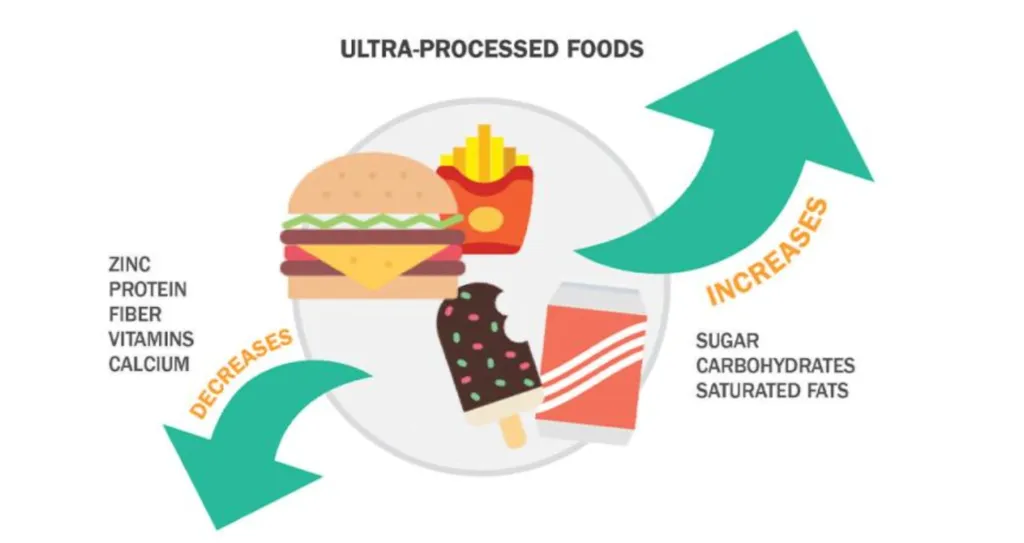
It’s worth being precise here, because the term gets thrown around loosely. Ultra-processed foods, under the classification system researchers actually use, aren’t just “food that came in a package.” They’re industrial formulations built from ingredients rarely used in a home kitchen, extracted starches, protein isolates, flavor compounds, emulsifiers, and colors, assembled to be shelf-stable, intensely palatable, and cheap to produce at scale. Think packaged snack cakes, most breakfast cereals, flavored yogurts with long ingredient lists, sodas, reheat-and-eat meals, and most fast food. A bag of frozen vegetables or a can of beans isn’t in the same category just because it’s packaged.
What This Means for an Aging Brain, Not Just a Distracted One
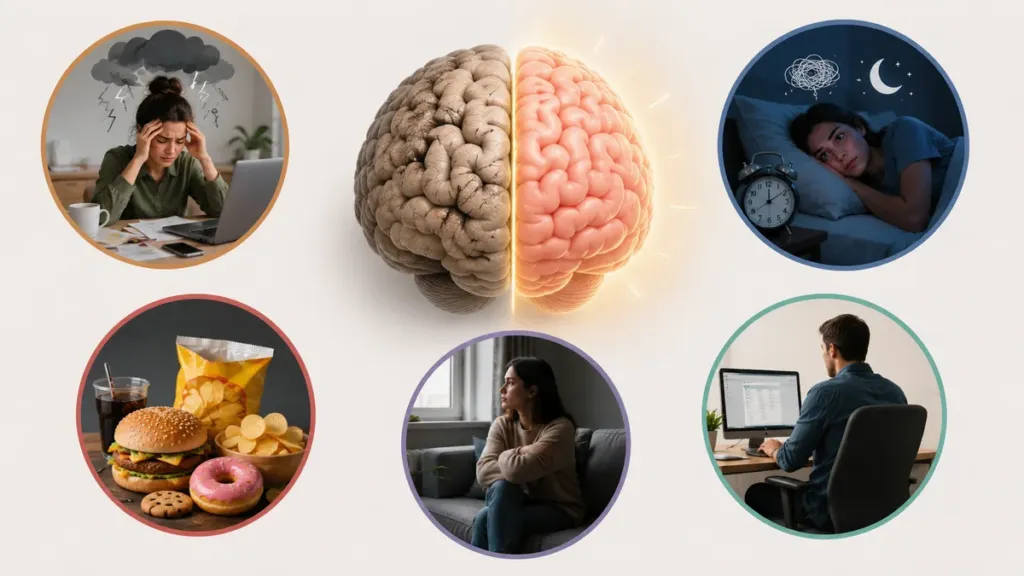
The researchers didn’t stop at attention scores. They also found that higher ultra-processed food intake tracked with an increase in broader dementia risk factors, the kind of markers that matter over a decade, not just over an afternoon. That’s the detail that moves this from a curiosity about focus into something worth taking seriously for long-term brain health.
For a family looking at an aging parent’s diet, or anyone paying attention to their own eating habits with an eye toward the next twenty or thirty years, this research adds a specific, testable idea to what was already suspected. It isn’t only about calories or weight. The structure of the food itself, how far it’s been pulled apart and reassembled before it reaches a plate, appears to carry its own separate cost.
None of this requires a total overhaul or a diet built entirely from scratch, which isn’t realistic for most households anyway. The practical version is the one nutrition researchers have been saying for years, just with a sharper reason behind it now: real food, made from ingredients a kitchen would actually use, as much as it’s reasonably possible to manage. Not because ultra-processed food is automatically evil, but because this particular study suggests the brain notices the difference well before anything else does.